
Insect Heroes
So small, yet so important! You can barely see them with the naked eye, but they perform a great deal of work. Insect heroes are true heroes, and we would love to show you why.
More and more consumers are opting for natural solutions. Governments also encourage this development with stricter regulations regarding the use of chemical pesticides. This change raised a question within our supply chain: how do we tackle this without compromising on the quality of our plants? The solution: beneficial insects! By deploying these tiny helpers, pests don?t stand a chance of damaging plants. Insects are true heroes when it comes to protecting and keeping plants healthy and the best part is: this pest control is 100% natural. At Noviflora, we want to help our customers by providing information on this topic that can be communicated directly to the end consumer and raise awareness.
In collaboration with the company Insect Heroes, we have gathered information that is important for both you and the consumer. This company specialises in 100% biological pest control and knows better than anyone how important insects are for keeping plants healthy.
So how does it work?
There are many beneficial insects, but we have listed the most important ones for you. The six below are the most common in our plant and flower sector. Each Insect Hero has its own unique qualities and is used to tackle a different problem.
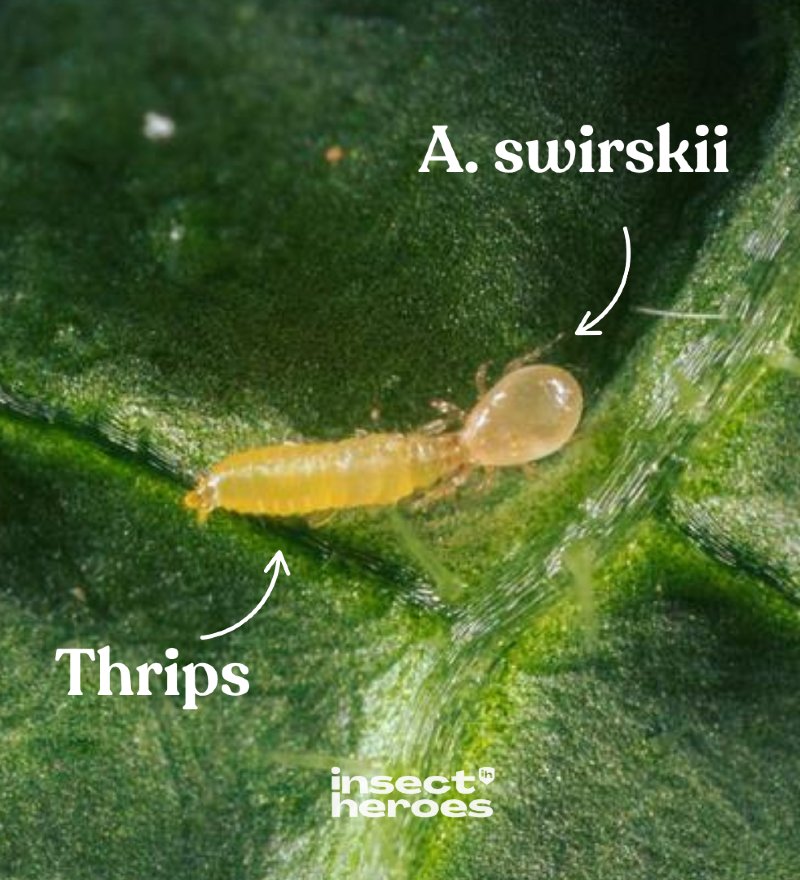
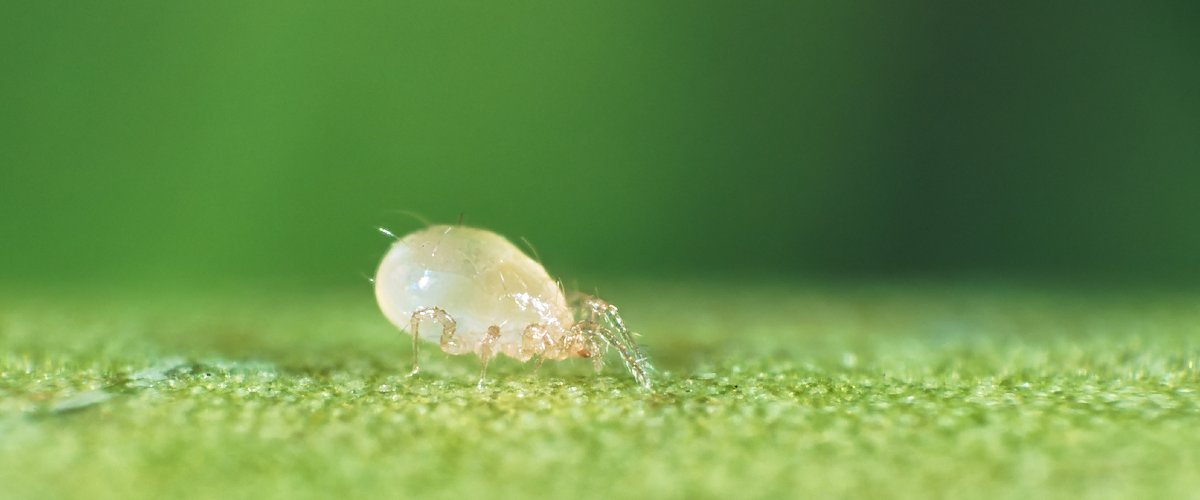
Amblyseius swirskii
This predatory mite is only 0.5 mm in size and barely visible to the naked eye. You can find this tiny creature on the underside of the leaf, where it searches for the larvae and eggs of thrips and whitefly.
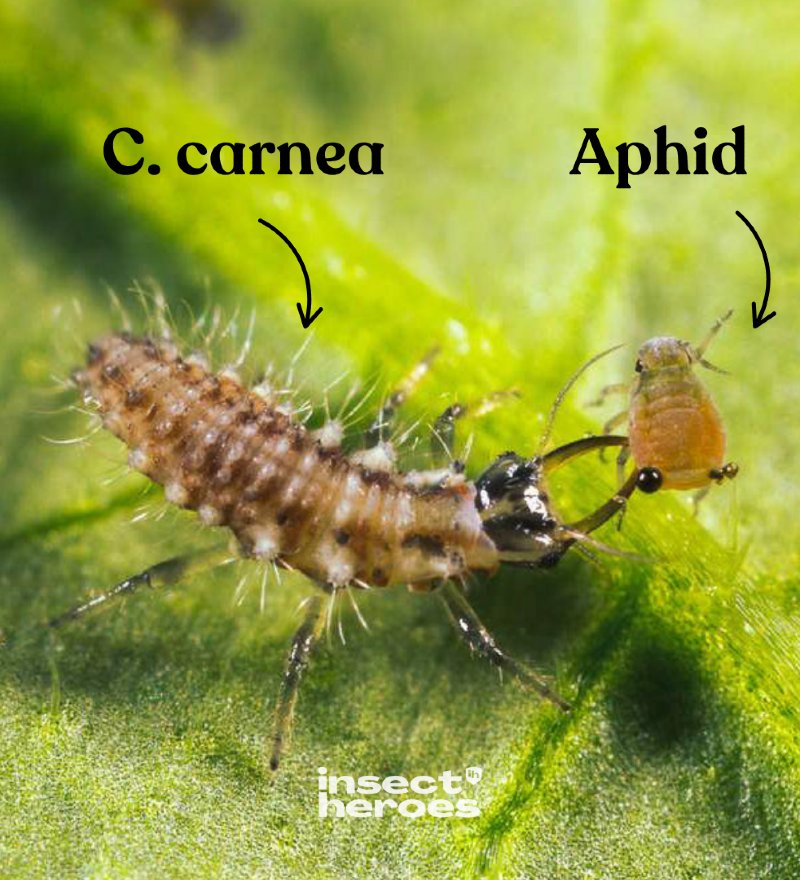
Chrysoperla carnea
The lacewing larva prefers aphids and adult thrips but isn?t fussy and will also happily tuck into spider mites, whiteflies and mealybugs. A real omnivore!
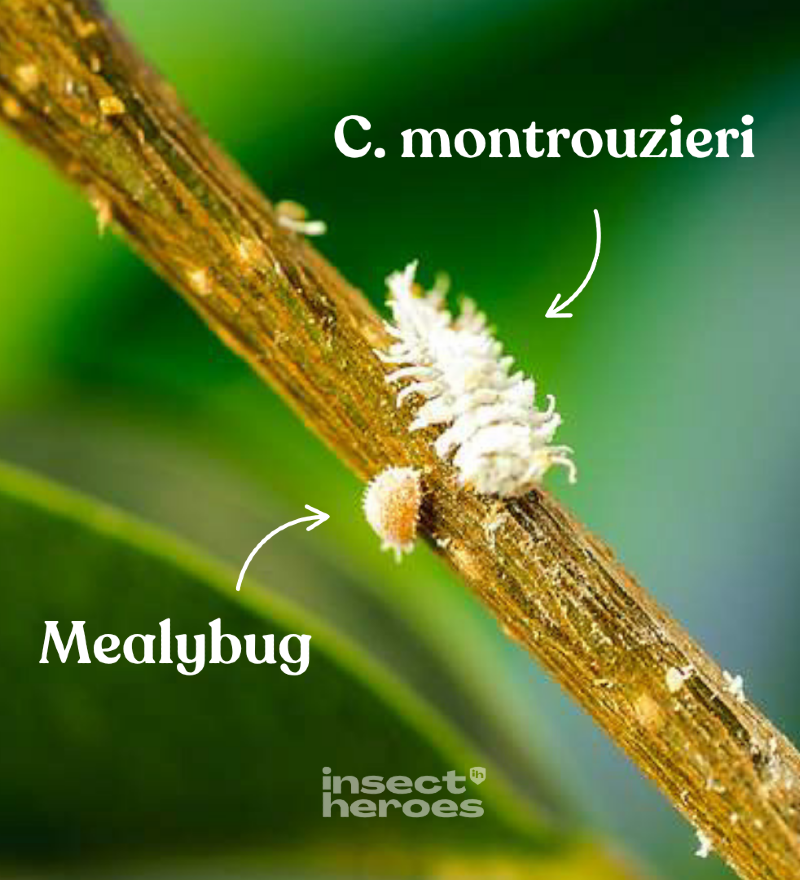
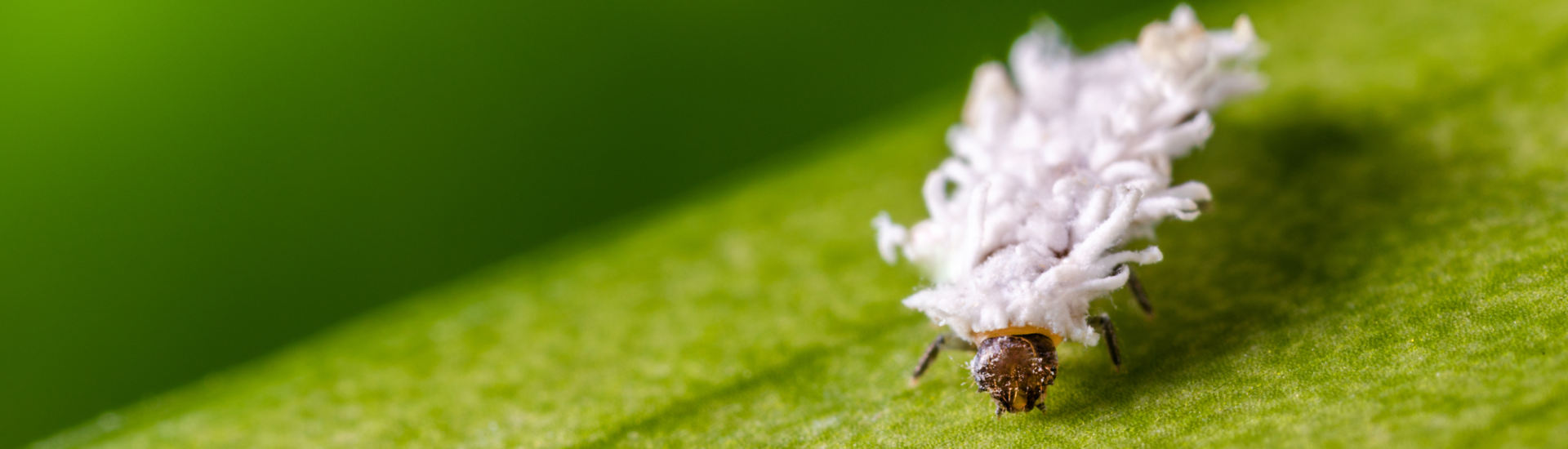
Cryptolaemus montrouzieri
The larva of the Cryptolaemus looks exactly like its prey: mealybugs! Thanks to this camouflage, the larva can move unnoticed amongst its food source and strike when necessary.
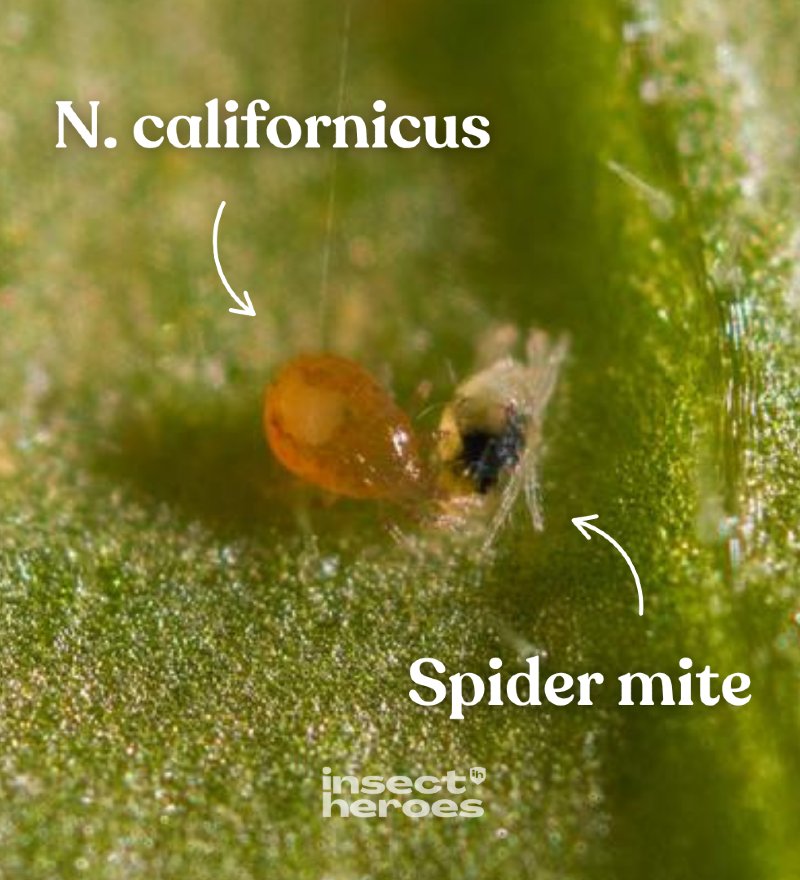
Neoseiulus californicus
This small but mighty Insect Hero, measuring just 0.4 mm, is the smallest on this list, but highly productive. It is a true hunter that loves the eggs and young mites of spider mites, quickly reducing the infestation.
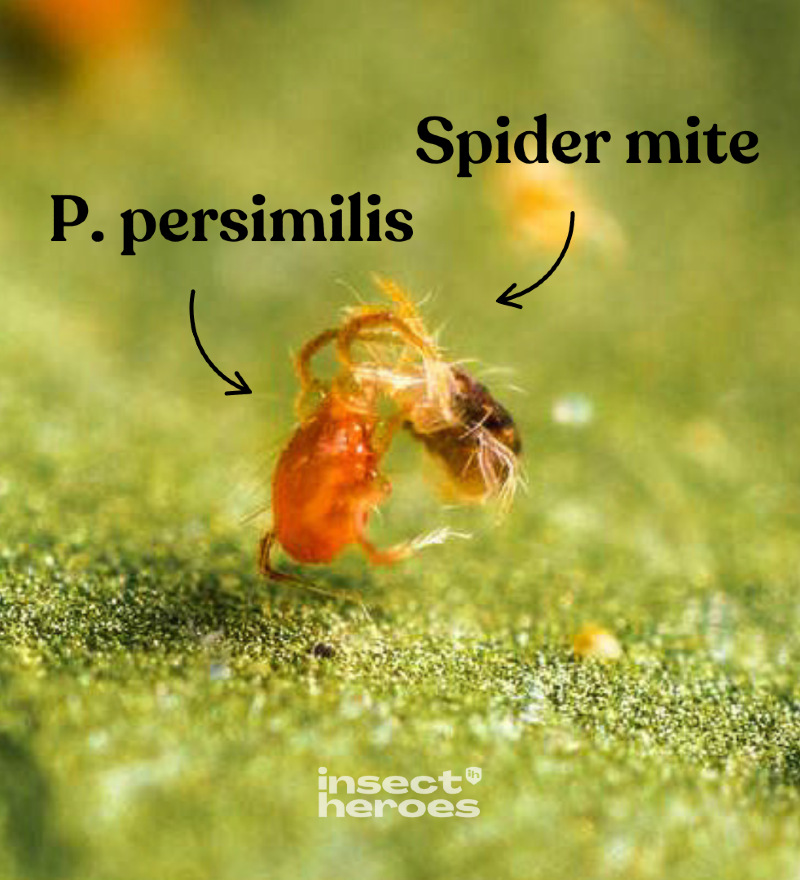
Phytoseiulus persimilis
The Phytoseiulus specialises in hunting spider mites and feeds on all life stages: from eggs to young mites and even adult spider mites. Thanks to its striking orange to red colour, it is sometimes visible amongst spider mite webs.
Adalia bipunctata (larvae)
The larvae of the Adalia, or ladybird, can eat up to 300 aphids before pupating. Thanks to their strong appetite, they can rapidly reduce aphid populations.
It can be difficult to spot the Insect Heroes with the naked eye. Some are mainly active at night, when they go in search of their prey, and they leave no visible traces behind. Would you still like to try spotting them? Then use a magnifying glass to see if you can find them!
Would you like to know more about the Insect Heroes? In the coming period, we will be highlighting a different beneficial insect from this list each time. Do you want to look back at previous insects? All information can be found on our website.